

 North America
 Asia/Pacific
 Europe
 Back to Blog

Subscribe to our newsletter
don't miss out the updates
from asteris
Sign up to our newsletter to stay in the loop.
[contact-form-7 id="8373" title="Contact page Newsletter"]
Published On June 17, 2026
Reading Time: 3 minutesAt a horse sale, imaging is part of the transaction. Buyers want a clean set of survey radiographs they can trust, sellers want those films available the moment a vet asks, and nobody wants the deal held up because a study is stuck on a laptop back at the clinic. Getting imaging right at a sale is a logistics problem as much as a clinical one.
The short version: Veterinary imaging for horse sales lives or dies on access and consistency. The films need a standard set, a single secure home, and a way to share them with buyers, agents, and their vets in seconds. A purpose-built imaging repository does this far better than a folder of DICOM files and a stack of CDs.
Why horse sales have their own imaging problem
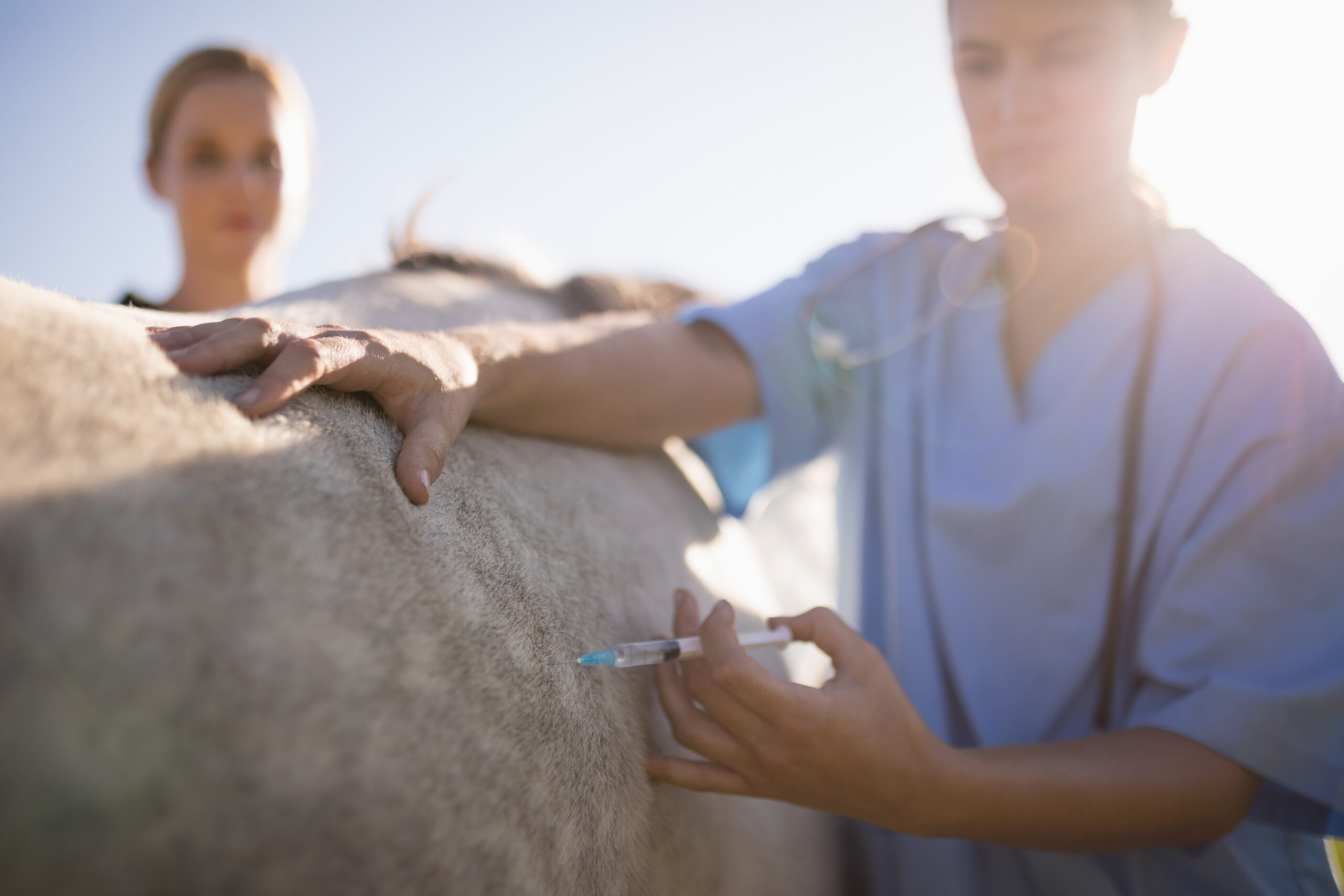
A routine clinical case has one patient, one owner, and one vet looking at the images. A sale flips that. A single hip lot can be examined by the consignor’s vet, the buyer’s vet, a second-opinion radiologist, and an insurer, often within the same 48 hours, and often from different states or countries. The images do not change, but the number of people who need fast, identical access multiplies.
That is where the usual workflow breaks. Burned CDs get lost or won’t open on a buyer’s laptop. Emailed files get compressed or stripped of DICOM data. A viewer that works in the clinic isn’t installed on the buyer’s machine. Every one of those friction points can slow a sale or sink confidence in an otherwise sound horse.
What a good sale imaging set looks like
Most sales settle on a standardized survey series so every lot is judged on the same views. Exactly which views depends on the sale and the discipline, but the principles are consistent:
- A defined, repeatable view set so buyers compare like with like across lots.
- Full DICOM, not flattened JPEGs, so a reviewing vet keeps measurement and window/level tools.
- Clear labeling tied to the hip or lot number, not just a patient name, so nothing misfiles.
- One consolidated file per lot rather than studies scattered across visits or machines.
How a repository workflow changes the day
An imaging repository is a secure, shared archive built for exactly this. Instead of handing out copies, you grant access. The workflow looks like this:
- Capture the standard survey series on your modality as usual.
- Send the study straight into the repository, organized by hip or lot number.
- Share a secure link with the buyer, agent, or their vet, who views the full DICOM study in a browser with no install.
- Track each lot’s status so the consignor knows exactly where every study stands.
Why it matters at a sale: the bottleneck at a sale is rarely the X-ray. It is the minutes or hours lost getting that X-ray in front of the right person. A repository collapses that to a link.
What to look for in a sale imaging platform
- Browser-based viewing for recipients, with real DICOM tools, not a download.
- Lot and template support so survey sets stay standardized and easy to assemble.
- Secure, permissioned sharing with an access trail you can show a consignor.
- Reliable archive so studies are still retrievable long after the sale closes.
- Speed under load, because sale weeks are short and busy.
For more on the underlying archive that makes this possible, see our guide to what a veterinary PACS is.
Run your next sale on a real imaging repository
See how Keystone’s equine sale workflow standardizes survey sets and shares full studies with buyers in a click.

Book a Demo of Keystone Omni Now
Submit images directly through Asteris Keystone or via our free and simple Asteris Keystone Community application.
Subscribe to our newsletter
dont miss out the updates from asteris
Sign up to our newsletter to stay in the loop.

Blog
the latest Updates from Asteris
If you like this post you might like this
Subscribe to our newsletter
don't miss out the updates
from asteris
Sign up to our newsletter to stay in the loop.