

 North America
 Asia/Pacific
 Europe
 Back to Blog

Subscribe to our newsletter
don't miss out the updates
from asteris
Sign up to our newsletter to stay in the loop.
[contact-form-7 id="8373" title="Contact page Newsletter"]
Published On June 18, 2026
Reading Time: 2 minutesDICOM is one of those words that gets used constantly and explained rarely. If you have ever been told a system is “DICOM compliant” and nodded along, here is what it actually means, and why it quietly determines how smooth your imaging life is.
The short version: DICOM is the standard format and language for medical and veterinary imaging. Strong DICOM support means your modalities, viewers, and archive all speak the same language, so studies move without conversion headaches and keep the data a clinician needs.
What DICOM is
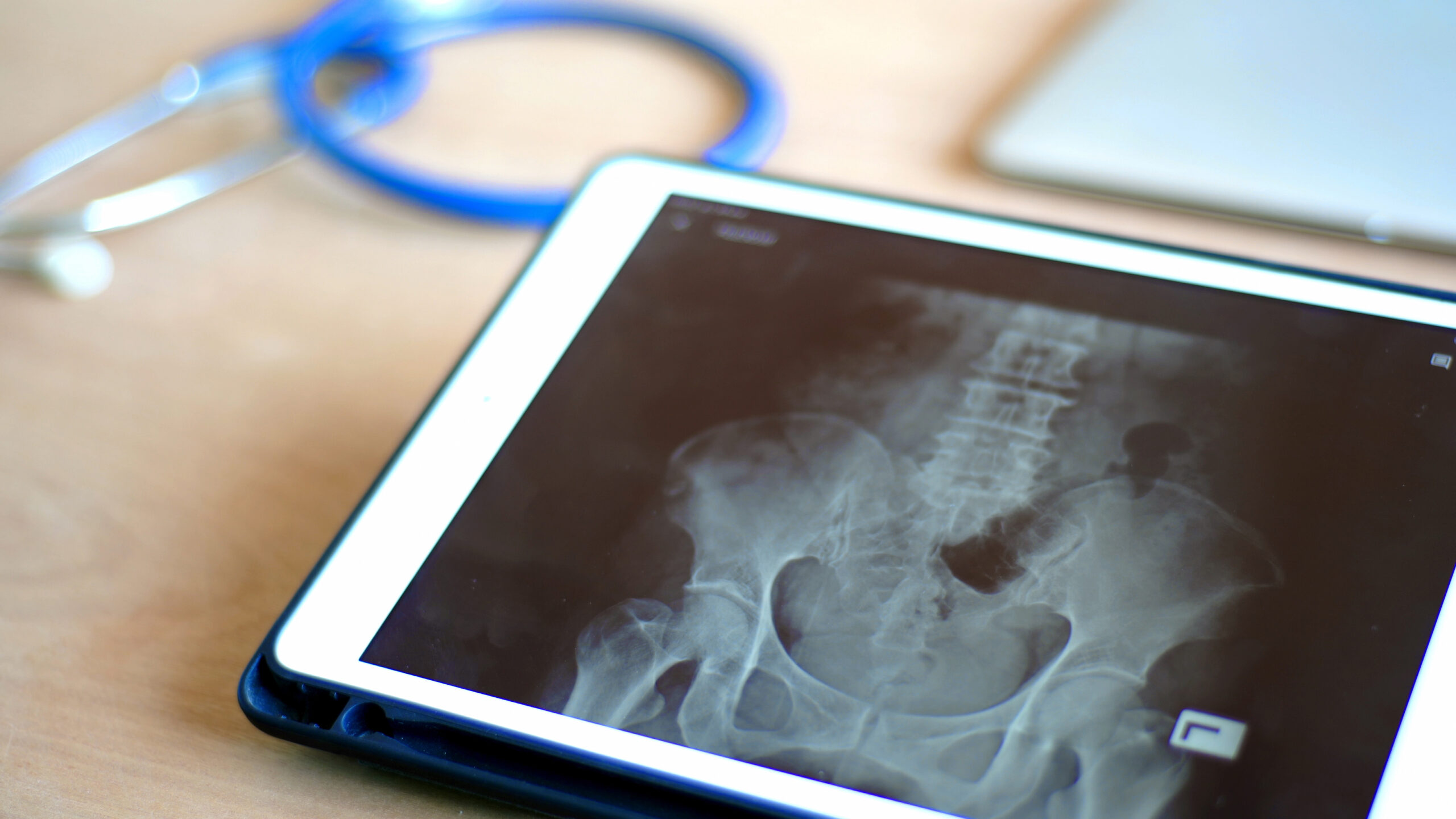
DICOM stands for Digital Imaging and Communications in Medicine. It is two things at once: a file format for storing an image plus its information, and a set of rules for how imaging devices and software exchange those files. A DICOM study is not just a picture. It carries the patient and study details, the technical settings, and the data a viewer needs to provide tools like measurement and window/level.
Why it matters in practice
That bundled-up information is the whole point. When you share a true DICOM study, the person on the other end gets the real thing, with working tools, not a flattened snapshot. This is why emailing a screenshot or a compressed JPEG is not the same as sharing the study: the JPEG looks like the image but has lost the data underneath it.
What “strong DICOM support” buys you
- Compatibility: your X-ray, ultrasound, CT, MRI, and dental units all talk to one archive.
- Fewer surprises: adding a new modality is routine, not a project.
- Real sharing: recipients view a full study with tools, not a picture of one.
- A reliable archive: studies are stored in a standard, future-friendly format.
Where Keystone fits
Keystone is DICOM compliant across modalities, so the imaging you already own works with it, and studies you share open as full DICOM in the browser with the tools intact. It also lets you attach non-DICOM files, like reports, photos, and short videos, to a study, so the standard imaging and the supporting material live together.
Buyer’s note: ask a vendor to prove DICOM send and receive with your specific modalities. “DICOM compliant” in a brochure is not the same as tested on your equipment.
For the bigger picture, see what a veterinary PACS is.
Imaging that speaks fluent DICOM
Keystone is DICOM compliant across your modalities, so studies move and share without conversion headaches.

Book a Demo of Keystone Omni Now
Submit images directly through Asteris Keystone or via our free and simple Asteris Keystone Community application.
Subscribe to our newsletter
dont miss out the updates from asteris
Sign up to our newsletter to stay in the loop.

Blog
the latest Updates from Asteris
If you like this post you might like this
Subscribe to our newsletter
don't miss out the updates
from asteris
Sign up to our newsletter to stay in the loop.